USCIS narrows who may and may not obtain a green card in the U.S.
USCIS-greencard-policy-image
English
On May 21, 2026, USCIS issued Policy Memorandum PM-602-0199  stating that it will grant adjustment of status only as an “extraordinary” act of discretion in exceptional cases.  Furthermore, that “Congress expects aliens paroled into the United States or admitted into the United States as nonimmigrants to depart rather than pursue adjustment of status. Such aliens are generally expected to pursue an immigrant visa and admission from outside the United States”
While the policy does not impact refugees’ and asylees’ eligibility to apply for adjustment, parolees – as nonimmigrants – are specifically targeted:
With limited exceptions, the statutory scheme suggests that Congress expects aliens paroled into the United States or admitted into the United States as nonimmigrants to depart rather than pursue adjustment of status. Such aliens are generally expected to pursue an immigrant visa and admission from outside the United States.
Additionally, applicants who are permitted to adjust while in the United States will have added difficulty obtaining approvals.  The policy describes adjustment as being an “extraordinary act of administrative grace” and “extraordinary relief.”  Officers are ordered to “consider all relevant factors and information in the totality of the circumstances in exercising that discretion.”  The language of the policy makes application approval the undesired exception and expects that denials will be the norm.
 
Several details are unclear, including how the policy will be implemented, and whether the policy be retroactive and impact pending applications for adjustment.  Details will be released as soon as they are obtained.
Read full article at nytimes.com

د امریکا د تابعیت او کډاوالۍ خدمتونو اداره (USCIS) د امریکا د ګرین کارټ د ترلاسه کولو شرایط تنګوي   

د ۲۰۲۶ کال د مې پر ۲۱مه، د امریکا د تابعیت او کډاوالۍ خدمتونو ادارې (USCIS) د PM-602-0199 شمېره پالیسۍ یادښت لیک خپور کړ چې پکې په ډاګه ویل شوي دا اداره په استثنایي قضیو کې یوازې د یو ځانګړي اختیاري عمل په توګه د قانوني دایمي اوسېدنې غوښتنه (Adjustment of Status) منظوروي. سربېره پر دې، په دې یادښتلیک کې راغلي چې “کانګرس له هغو بهرنیانو چې د بشرپاله لنډمهاله اوسېدو اجازې (Parole) له لارې یا د غیر مهاجرتي اجازې په ترڅ کې امریکا ته راننوتي دي، تمه لري د خپل قانوني اوسېدنې د کارونو د پرمخ بیولو پرځای بهر ته ولاړ شي. له داسې بهرنیانو څځه په ټوله کې داسې تمه کیږي چې د کډوالۍ ویزې کارونه او دلته د راننوتو اجازې ترلاسه کول له امریکا څخه بهر پر مخ یوسي.”   

که څه هم دا پالیسي دایمي اوسیدو ته د کډوالواو پناه غوښتونکو پرغوښتنلیکونو اغېز نلري، خو په ځانګړي توګه هغه کسان چې د بشرپاله لنډمهاله اوسېدو اجازې (Parole) له لارې راننوتي دي – د غیر مهاجر توګه – په نښه کوي:   

د محدودو استثناوو په درلودو سره، دا قانوني طرح داسې وړاندیز کوي چې کانګرس له هغو بهرنیانو څخه چې د بشرپاله لنډمهاله اوسېدو اجازې (Parole) له لارې یا د غیر مهاجر په توګه متحدو ایالتونو ته راننوتي دي داسې تمه لري چې د دایمي اوسېدو امتیاز ترلاسه کولو د کار پرمخ بیولو پر ځای له دې ځایه ووځيپه ټولیز ډول له داسې بهرنیانو څخه تمه کېږي د مهاجرت ویزې ترلاسه کولو او دلته د قبلېدو کارونه له امریکا څخه بهرپرمخ یوسي.   

سربېره پر دې، هغه غوښتونکي چې د امریکا دننه د قانوني اوسېدو د ترلاسه کولو غوښتنه لري، د منظورۍ ترلاسه کول به یې لاهم ستونځمن شي. دا پالیسي د دایمۍ اوسېدو امتیاز ورکړه یو فوق العاده عمل او اداري مهرباني او د يوې ځانګړې اسانتیا په توګه بیانوي. اړوندو کارکوونکو ته حکم شوی تر څو د دې پرېکړې په عملي کولو کې ټول اړوند عوامل او معلومات او کلي شرایط په پام کې ونیسي. پالیسی په داسې بڼه لیکل شوې چې د غوښتنلیک منظوري پکې نامطلوبه استثنا ده  او تمه کېږي چې د غوښتنو رد کېدنه به پکې معمول وي.  

ډېر جزئیات پکې ناڅرګند دي، لکه دا پالیسي به څرنګه عملي شي، او آيا دا پالیسي به پر هغو غوښتنلیکونو اغیز وکړي چې پخوا لیږل شوي دي. جزئیات به د ترلاسه کېدو سره سم خپاره شي.  

اداره خدمات شهروندی و مهاجرت آمریکا (USCIS) مشخص کرده است که چه کسانی می‌توانند در داخل ایالات متحده گرین‌کارت بگیرند و چه کسانی نمی‌توانند. 

در تاریخ ۲۱ می ۲۰۲۶، USCIS  یک یادداشت پالیسی جدید با شماره PM-602-0199 منتشر کرد. در این پالیسی گفته شده است که تغییر وضعیت اقامت (Adjustment of Status) فقط در موارد بسیار استثنایی و به عنوان یک تصمیم کاملاً اختیاری و نادر انجام می‌شود. 

همچنان در این پالیسی آمده است که کانگرس انتظار دارد افرادی که با «پارولParole » وارد آمریکا شده‌اند یا به عنوان غیرمهاجردرآمریکا اقامت دارند، به جای این‌که در داخل کشور درخواست گرین‌کارت بدهند، باید آمریکا را ترک کنند. این افراد معمولاً باید از بیرون آمریکا ویزای مهاجرتی بگیرند و بعد دوباره وارد آمریکا شوند. 

هرچند این پالیسی بالای پناهندگان (Refugees) و پناه‌جویان (Asylees) تأثیر نمی‌گذارد، اما افرادی که با پارول((Parolees وارد آمریکا شده‌اند به طور خاص تحت تأثیر قرار می‌گیرند. 

در این پالیسی گفته شده است که به جز چند استثنای محدود، سیستم قانونی نشان می‌دهد که کانگرس انتظار دارد کسانی که با پارول یا ویزای غیرمهاجرتی وارد آمریکا شده‌اند، کشور را ترک کنند و از داخل آمریکا برای تغییر وضعیت اقامت اقدام نکنند. این افراد باید معمولاً از بیرون آمریکا ویزای مهاجرتی بگیرند. 

همچنان افرادی که اجازه دارند داخل آمریکا وضعیت اقامت خود را تغییر دهند، با سختی‌های بیشتری برای گرفتن تأیید مواجه خواهند شد. در این پالیسی، تغییر وضعیت اقامت یک «امتیاز استثنایی اداری» و «کمک بسیار نادر» توصیف شده است. به مأموران گفته شده است که تمام عوامل و شرایط هر پرونده را به صورت کامل بررسی کنند. 

در این پالیسی تأکید شده است که گرفتن تأیید برای این درخواست‌ها به یک حالت استثنایی تبدیل می‌شود و رد شدن آن‌ها حالت معمول خواهد بود. 

با این حال، هنوز بعضی جزئیات واضح نیست، از جمله این‌که این پالیسی دقیقاً چگونه اجرا خواهد شد و آیا بالای پرونده‌های در حال بررسی هم تأثیر می‌گذارد یا نه. هر وقت معلومات بیشتر به دست آید، منتشر خواهد شد.  

وكالة USCIS تُضيِّق نطاق من يحق لهم الحصول على البطاقة الخضراء داخل الولايات المتحدة 

في الحادي والعشرين من مايو 2026، أصدرت وكالة خدمات المواطنة والهجرة الأمريكية (USCIS) المذكرة السياسية PM-602-0199، التي تُقرِّر صراحةً أن الوكالة لن تمنح تعديل الوضع القانوني للإقامة (Adjustment of Status) إلا بوصفه إجراءً “استثنائياً” يندرج ضمن السلطة التقديرية الإدارية، ولا يُلجأ إليه إلا في الحالات الاستثنائية البالغة الخصوصية. وتُضيف المذكرة أن “الكونغرس يتوقع من الأجانب الذين مُنحوا دخول الأراضي الأمريكية بموجب إذن إنساني مؤقت (Parole)، أو الذين أُذن لهم بالدخول بصفة غير مهاجرين، أن يغادروا البلاد بدلاً من السعي إلى تعديل وضعهم القانوني. ويُفترض في هؤلاء الأجانب، بوجه عام، أن يتقدموا بطلبات الحصول على تأشيرة هجرة وأن تتم إجازة دخولهم من خارج حدود الولايات المتحدة.” 

وفي حين لا تمسّ هذه السياسة أهلية اللاجئين وحاملي حق اللجوء في التقدم بطلبات تعديل الوضع القانوني، فإنها تستهدف تحديداً الأجانب الداخلين بموجب إذن إنساني مؤقت — بوصفهم غير مهاجرين: 

باستثناء حالات محدودة، يوحي الإطار القانوني التشريعي بأن الكونغرس يتوقع من الأجانب الداخلين بإذن إنساني مؤقت أو المُقبَلين بصفة غير مهاجرين أن يغادروا البلاد بدلاً من السعي إلى تعديل وضعهم القانوني للإقامة. ويُفترض في هؤلاء الأجانب، بصفة عامة، السعي للحصول على تأشيرة الهجرة والإذن بالدخول من خارج الأراضي الأمريكية. 

علاوة على ذلك، سيواجه المتقدمون الذين يُسمح لهم بتعديل وضعهم القانوني من داخل الأراضي الأمريكية صعوبات مضاعفة في استصدار موافقات الاعتماد. وتصف السياسة عملية التعديل بأنها “منحة إدارية استثنائية” و”تدبير إغاثي خارج عن المألوف.” وقد صدرت تعليمات للمسؤولين بـ”استحضار جميع العوامل والمعطيات ذات الصلة، والنظر في مجمل ظروف القضية عند ممارسة تلك السلطة التقديرية.” ويجعل نص السياسة من الموافقة على الطلبات استثناءً غير مرغوب فيه، ويقترح صراحةً أن يكون الرفض هو القاعدة السائدة. 

لا تزال عدة تفاصيل غامضة، من بينها: آليات تطبيق هذه السياسة، ومدى سريانها بأثر رجعي على الطلبات المعلقة الخاصة بتعديل الوضع القانوني. وسيُعلَن عن هذه التفاصيل فور الحصول عليها.  

El USCIS restringe quiénes pueden obtener la residencia permanente dentro de los Estados Unidos 

El 21 de mayo de 2026, el Servicio de Ciudadanía e Inmigración de los Estados Unidos (USCIS) emitió el Memorando de Política PM-602-0199, en el cual declara que otorgará el Ajuste de Estatus únicamente como un acto “extraordinario” de discrecionalidad administrativa, reservado para casos excepcionales. El memorando establece además que “el Congreso espera que los extranjeros que hayan ingresado al país mediante permiso de ingreso temporal (parole) o que hayan sido admitidos como no inmigrantes abandonen el territorio en lugar de solicitar el Ajuste de Estatus. En general, se espera que dichos extranjeros gestionen una visa de inmigrante y sean admitidos desde el exterior de los Estados Unidos.” 

Si bien la política no afecta la elegibilidad de los refugiados y asilados para solicitar el Ajuste de Estatus, los beneficiarios de parole —en su calidad de no inmigrantes— son específicamente señalados: 

Con excepciones limitadas, el esquema estatutario sugiere que el Congreso espera que los extranjeros que hayan ingresado mediante parole o que hayan sido admitidos como no inmigrantes abandonen el país en lugar de solicitar el Ajuste de Estatus. En general, se espera que dichos extranjeros gestionen una visa de inmigrante y su admisión desde fuera de los Estados Unidos. 

Adicionalmente, los solicitantes a quienes se les permita ajustar su estatus dentro del país enfrentarán mayores dificultades para obtener una resolución favorable. La política describe el Ajuste de Estatus como un “acto extraordinario de gracia administrativa” y como un “alivio migratorio de carácter excepcional.” Los oficiales de adjudicación tienen instrucciones de “considerar todos los factores e información pertinentes en el conjunto de las circunstancias del caso al ejercer dicha discrecionalidad.” El lenguaje del memorando convierte la aprobación de solicitudes en la excepción no deseada, siendo las denegaciones la norma esperada. 

Varios aspectos permanecen sin definirse, entre ellos la forma en que se implementará la política y si esta tendrá carácter retroactivo con efecto sobre las solicitudes de Ajuste de Estatus que se encuentren pendientes de resolución. Los detalles pertinentes serán divulgados en cuanto estén disponibles. 

USCIS Limite Moun ki Kapab Jwenn Kat Vèt Ozetazini 

Nan dat 21 me 2026, Sèvis pou Sitwayènte ak Imigrasyon Etazini (USCIS) te pibliye Mémorandom Politik PM-602-0199, ki deklare ke li pral akòde ajisteman estati (Adjustment of Status) sèlman kòm yon “aksyon ekstraòdinè” nan kad diskresyon administratif, nan ka eksepsyonèl sèlman. Anplis de sa, mémorandom nan endike ke “Kongrè a espere ke etranje ki te antre Ozetazini avèk pèmisyon espesyal tanporè (parole) oswa ki te admèt kòm non-imigran pati, olye pou yo pouswiv ajisteman estati yo. An jeneral, etranje sa yo espere pou yo chèche viza imigrasyon epi yo antre soti deyò peyi Etazini.” 

Byenke politik sa a pa afekte dwa refijye ak moun ki jwenn azil pou aplike pou ajisteman estati, moun ki te antre ak pèmisyon espesyal tanporè (parole) — kòm non-imigran — se sib dirèk politik la: 

Sòf nan kèk eksepsyon limite, achitekti legal la sijere ke Kongrè a espere ke etranje ki te antre ak pèmisyon parole oswa ki te admèt kòm non-imigran pati, olye pou yo pouswiv ajisteman estati. An jeneral, etranje sa yo espere pou yo chèche viza imigrasyon epi yo admèt soti deyò Etazini. 

Anplis, moun ki pral gen pèmisyon pou ajiste estati yo pandan yo nan peyi a ap jwenn plis difikilte pou yo jwenn apwobasyon. Politik la dekri ajisteman an kòm yon “aksyon ekstraòdinè de grès administratif” ak yon “rèd eksepsyonèl.” Ofisye yo resevwa lòd pou “konsidere tout faktè ak enfòmasyon ki enpòtan yo nan totalite sikonstans yo lè y ap egzèse diskresyon sa a.” Langaj politique a fè apwobasyon yon demand tounen eksepsyon ki pa souete, epi li prevwa ke refize pral vin nòmal. 

Plizyè detay rete toujou flou, tankou fason ki pral aplike politik la, ak si politik la pral retroaktif epi afekte demann ajisteman ki annatant yo. Y ap pibliye detay yo touswit ke yo disponib. 

USCIS Inabana Masharti ya Kupata Kadi ya Kijani Nchini Marekani 

Tarehe 21 Mei 2026, Shirika la Uraia na Uhamiaji la Marekani (USCIS) lilitoa Waraka wa Sera PM-602-0199, ukieleza kwamba kubadilisha hadhi ya ukaazi wa kudumu (Adjustment of Status) kutaidhinishwa tu kama kitendo cha “pekee” cha uamuzi wa kiutawala, katika hali za kipekee kabisa. Zaidi ya hayo, waraka huo unasema kwamba “Bunge linatarajia kwamba wageni walioingia Marekani kwa idhini ya muda ya kibinadamu (parole) au waliokubaliwa kama wasio wahamiaji waondoke nchini badala ya kutafuta kubadilisha hadhi yao ya ukaazi. Kwa ujumla, wageni hao wanatarajiwa kutafuta visa ya uhamiaji na kuruhusiwa kuingia kutoka nje ya Marekani.” 

Ingawa sera hii haiathiri haki ya wakimbizi na walioomba hifadhi ya kisiasa kutuma maombi ya kubadilisha hadhi ya ukaazi, watu walioingia kwa idhini ya muda ya kibinadamu (parole) — kama wasio wahamiaji — wanalenga moja kwa moja: 

Isipokuwa katika hali chache maalum, mfumo wa kisheria unaashiria kwamba Bunge linatarajia wageni walioingia kwa idhini ya parole au waliokubaliwa kama wasio wahamiaji waondoke nchini badala ya kutafuta kubadilisha hadhi yao ya ukaazi. Kwa ujumla, watu kama hao wanatarajiwa kutafuta visa ya uhamiaji na kuruhusiwa kuingia kutoka nje ya Marekani. 

Zaidi ya hayo, waombaji watakaoruhusiwa kubadilisha hadhi yao wakiwa ndani ya Marekani watakabiliwa na ugumu mkubwa zaidi kupata idhini. Sera hiyo inaelezea ubadilishaji wa hadhi kuwa “kitendo cha pekee cha neema ya kiutawala” na “msaada wa kipekee.” Maafisa wameelekezwa “kuzingatia mambo yote husika na taarifa zote katika jumla ya mazingira ya kesi wakati wa kutumia uamuzi huo.” Lugha ya sera inafanya idhini ya maombi kuwa ubaguzi usiohitajika, huku ikiashiria kwamba kukataliwa ndiko kutakachokuwa kawaida. 

Maelezo kadhaa bado hayako wazi, ikiwemo jinsi sera hii itakavyotekelezwa, na kama itakuwa na nguvu ya kurudi nyuma kuathiri maombi ya ubadilishaji wa hadhi yanayosubiriwa. Maelezo hayo yatatolewa mara yatakapopatikana. 

USCIS звужує коло осіб, які можуть отримати посвідку на постійне проживання у США 

21 травня 2026 року Служба з питань громадянства та імміграції США (USCIS) видала Меморандум про політику PM-602-0199, в якому зазначається, що зміна імміграційного статусу на постійний (Adjustment of Status) надаватиметься виключно як “надзвичайний” акт адміністративного розсуду в окремих виняткових випадках. Більше того, у меморандумі зазначено, що “Конгрес очікує, що іноземні громадяни, які в’їхали до Сполучених Штатів за гуманітарним дозволом на в’їзд (parole) або були допущені як неіммігранти, повинні покинути країну, а не домагатися зміни імміграційного статусу. Загалом від таких осіб очікується, що вони оформлятимуть імміграційну візу та дозвіл на в’їзд за межами Сполучених Штатів.” 

Попри те що ця політика не впливає на право біженців та осіб, які отримали притулок, подавати заяви на зміну імміграційного статусу, особи, які в’їхали за гуманітарним дозволом на в’їзд, — як неіммігранти — стають конкретним об’єктом її застосування: 

За окремими обмеженими винятками, нормативна система свідчить про те, що Конгрес очікує від іноземних громадян, допущених за гуманітарним дозволом або як неіммігранти, виїзду з країни, а не ініціювання процедури зміни імміграційного статусу. Від таких осіб, як правило, очікується оформлення імміграційної візи та в’їзду з-за меж Сполучених Штатів. 

Крім того, заявники, яким буде дозволено змінити імміграційний статус, перебуваючи на території США, зіткнуться з додатковими труднощами при отриманні позитивного рішення. Відповідно до цієї політики, зміна імміграційного статусу характеризується як “надзвичайний акт адміністративної ласки” та “виняткова форма правового захисту.” Офіцерам розпорядженням наказано “брати до уваги всі відповідні чинники та відомості в сукупності обставин справи при здійсненні такого розсуду.” Мова меморандуму перетворює схвалення заяв на небажаний виняток та виходить із того, що відмови стануть нормою. 

Ряд деталей залишається невизначеним, зокрема порядок реалізації цієї політики та питання про те, чи матиме вона зворотну силу і чи поширюватиметься на заяви про зміну статусу, що вже перебувають на розгляді. Відповідні подробиці будуть оприлюднені одразу після їх отримання. 
We Don’t Put Politics Before People

At a time when policies are freezing green card applications, stalling asylum decisions, and throwing long-settled families into uncertainty, IRIS is staying focused on what matters: safety, stability, and real community for newcomers.

PUBLISHED BY THE DAY Oct 29, 2025

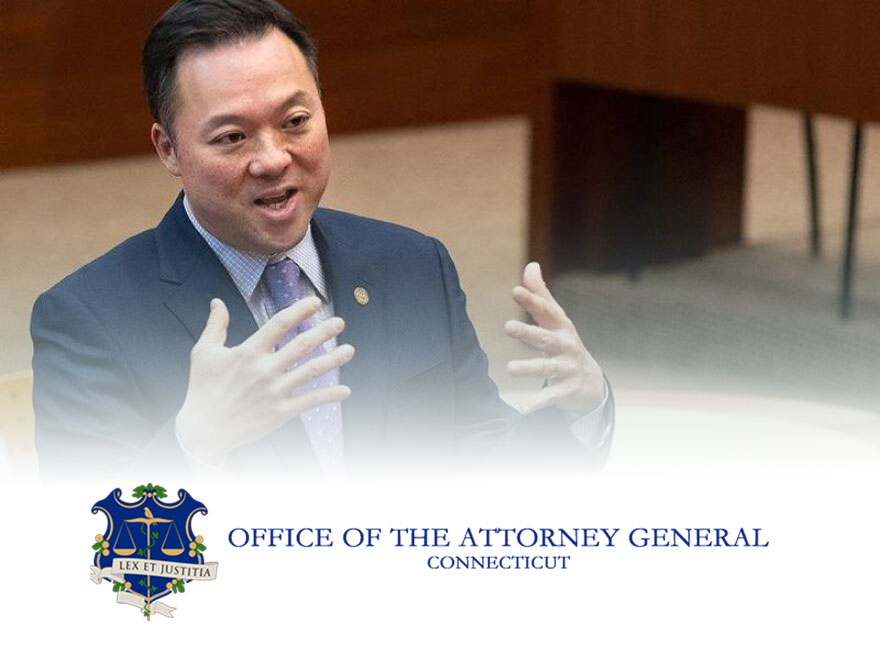
AG Tong, talking immigration in New London: 'They will make it if we fight for them'

 
tong-speaking-on-immigration

Attorney General William Tong speaks at All Souls Unitarian Universalist Congregation in New London on Wednesday, Oct. 29. The event by Integrated Refugee & Immigrant Services focused on the impact of President Donald Trump’s immigration crackdown. (Alison Cross/The Day)

By Alison Cross
Day Staff Writer
 
New London — State Attorney General William Tong visited the city Monday evening to share a message of hope and resistance amid President Donald Trump’s immigration crackdown.
The event at All Souls Unitarian Universalist Congregation was organized by Integrated Refugee & Immigrant Services, the New Haven-based nonprofit known as IRIS.
Since 1982, IRIS has welcomed and resettled thousands of refugees and immigrants within the state, but Maggie Mitchell Salem, the organization’s executive director, said new federal policies have upended longstanding pathways to legal immigration.
As a result of these changes, Mitchell Salem said IRIS will not participate in the U.S. government-supported refugee admissions program for the first time in the nonprofit’s history, starting on Jan. 1. Mitchell Salem said IRIS will continue to resettle refugees from Afghanistan and other countries without federal funding.
During his speech, Tong described the Trump administration’s policies and actions over the last nine months as “awful, brutal, (and) painful.” Tong spoke about lawsuits he has filed against the federal government to block the Trump administration from ending birthright citizenship and coercing states into following the administration’s immigration agenda.
Tong said people often put refugees and immigrants into separate categories but “very often they’re one and the same.”
“My grandparents and my dad ran for their lives (from China),” Tong said. “I’m a kid that comes from refugees and immigrants. I grew up in a Chinese restaurant. … If you go to a takeout joint around here and you see a high schooler ring up your Tuesday night takeout, that was me.”
“In one generation, I went from that hot Chinese restaurant kitchen in the state of Connecticut in Wethersfield, to being the 25th attorney general of the state,” Tong continued. “I don’t tell you that story because it’s a good story, I tell you that story because it is an unremarkable story. It is a story shared by so many people. And there are kids right now, our kids in this city, the sons and daughters and grandchildren of refugees and immigrants who are just like us … and I know they will make it if we fight for them right now.”
Maryam Elahi, the president and chief executive officer of the Community Foundation of Eastern Connecticut, said that right now, children are not getting an education because “so many parents are terrified to take their kids to school (and) pick them up.”
“This is not acceptable,” Elahi said.
Elahi encouraged people to reframe the way they speak about immigrants.
“Unless you’re a Native American, you’re an immigrant in this country,” she said. “Some of us came earlier on boats. Some of us came later by foot or plane or both, but the end result is the same. It’s really important for all of us to change the narrative, to talk about immigrants as all of us, to talk about immigrants as people who bring so much richness to our community and to put our arms around them.”
Jeanne Milstein, the human services director for the city, said that New London’s history is rooted in immigrant communities who have made the city stronger.
“It is our diversity which is our strength. New London is a seaport town. It has always been a rich mix of people. It is a community where everyone is welcome,” Milstein said. “The feds may be trying to kill the American dream, but here in New London, it is alive and well.”

PUBLISHED BY THE HARTFORD COURANT

After four decades, CT organization won’t resettle refugees this year. Here’s why

For the first time in more than four decades Integrated Refugee & Immigrant Services made the decision to not resettle refugees through the United States Refugee Admissions program, due to the Trump administration’s intent to shift the program’s focus.
“We will not resettle populations that aren’t refugees,” said Maggie Mitchell Salem, director of IRIS. “That is basically the point. This is not about Afrikaners or right wing groups in Europe. This is not about ideology or politics. This is about our mission. Our mission is to resettle the world’s most vulnerable people who have been screened for the credible fear they possess which keeps them from going home.”
Mitchell Salem added: “We are not a relocation service. We work with and for a very specific population and as part of the humanitarian pathway within this immigration system.”
The New York Times reported Wednesday that the Trump administration “is considering a radical overhaul of the U.S. refugee system that would slash the program to its bare bones while giving preference to English speakers, white South Africans and Europeans who oppose migration.” 
The Trump administration has said that white South African farmers face discrimination and violence at home, which the country’s government strongly denies.
The IRIS board made the decision last month to change course after learning about the Trump’s administration’s plans to change the refugee program, including limiting the number of refugees to 30,000 to 40,000, Mitchell Salem said.
“That only reinforced that decision,” Mitchell said. “We have never had to question the U.S. government’s decision. This is not about who is in charge of our government. We have supported refugee resettlement in Republican administrations, and Democratic administrations without fail. We had to do some critical thinking about whether based on what we understood to be the administration’s policy on the U.S. refugee program, whether there was an alignment between our mission and how they were implementing the program.”
The Church World Service, which IRIS is an affiliate of, and contracts with the State Department to help refugees “expressed its dismay and deep concern in response to the Trump administration’s plans to reduce the refugee admissions’ goal “to the lowest level in history,” according to a press release from the agency.
New numbers reported from the Associated Press suggest the Trump administration is considering admitting far fewer refugees than IRIS had initially learned, with just 7,500 admitted.
Dana Bucin, an immigration attorney and partner with Harris Beach Murtha in Hartford, said the administration’s ban against refugees at the beginning of 2025 is not advisable.
“The entire policy that is against refugees in particular is harmful at a time when the world is seeing a record number of refugees due to wars, civil wars, famine, climate change and a bunch of other factors,” she said. “We have never had so many refugees as we do now and so few tools to deal with them and so definitely in general an anti-refugee policy is not conducive to humanitarian endeavors.”
Bucin said she does not believe that all Afrikaners qualify as a group for refugee status.
“But as attorneys we are open to hearing of any individualized case of persecution for Afrikaners, much like anyone else,” she said.
Since the Trump administration suspended the refugee program in January, IRIS relocated its New Haven office and had to shut its Hartford office.
In fiscal year 2024, IRIS served more than 2,000 people and resettled 900 refugees.
In fiscal year 2025 they were planning to resettle 800 refugees but have only been able to settle 241 refugees as many were denied entry or delayed.
As a result of the suspension of the refugee program, IRIS lost about $4 million in funding and had to lay off employees.
In the United States, some 128,000 refugees have currently been approved for resettlement in the United States and are now stuck in limbo, said Mark Hetfield, president of HIAS, the Jewish refugee resettlement agency. In addition, 14,000 Jews, Christians and other religious minorities in Iran have long been registered with the refugee program.
New vision
IRIS is not suspending its activities though. The organization is realigning its focus to help refugees and immigrants with assistance securing housing, food, addressing health issues and advocating for more English Language Learning programs to help them succeed in the workforce, Mitchell Salem said.
Mitchell Salem said she is concerned about provisions in Trump’s Big Beautiful Bill particularly eliminating SNAP for refugees. She said IRIS needs more support to provide basic proteins for refugees in its food pantry.
Targeting ELL programs aligned to workforce development programs is critical, she said, so “people are getting the right vocational training and entering these programs successfully and entering higher paying jobs in the healthcare, hospitality and manufacturing sector. This is a win for the state. The state has to become more competitive.”
Mitchell Salem said IRIS will focus on deepening partnerships with the Chambers of Commerce and workforce boards and adult literacy organizations that exist in every town and city in the state.
In addition to those being barred from entering the country, Mitchell Salem said immigrants who are here are being terrorized. Calling it inhumane, Mitchell Salem said rounding up of people in the community at their place of employment is having an impact on everyone.
“It is going to impact the price of food and whether your grandmother is being taken care of in an assisted living community,” she said. “It is impacting employers. It is impacting tax bases. You don’t remove this significant number of people from our community and have no impact.”
With ICE arrests continuing in Connecticut and immigrant advocates calling for state officials to act, lawmakers are in discussions about increasing legal protections during an upcoming special session.
ICE agents stormed a Hamden car wash Wednesday and detained and took away eight people including a husband and wife and a customer, according to information from state Sen. Jorge Cabrera’s office.
“Since we passed the TRUST Act a decade ago, Connecticut has always carved out exceptions for dangerous felons,” Cabrera said in a statement. ”Democrats don’t have a problem with that. Neither does the governor. What we do have a problem with is Donald Trump and ICE telling us that they are arresting the scum of the Earth – murderers and gang members and pedophiles. And then who do they arrest? Landscapers. Dishwashers. High school kids. People working at car washes.”
The Associated Press contributed to this report.

Originally Published: 

October 17, 2025 at 5:37 AM ED