From Refugee to Resettlement Leader

Paiman’s Journey of Service and Resilience

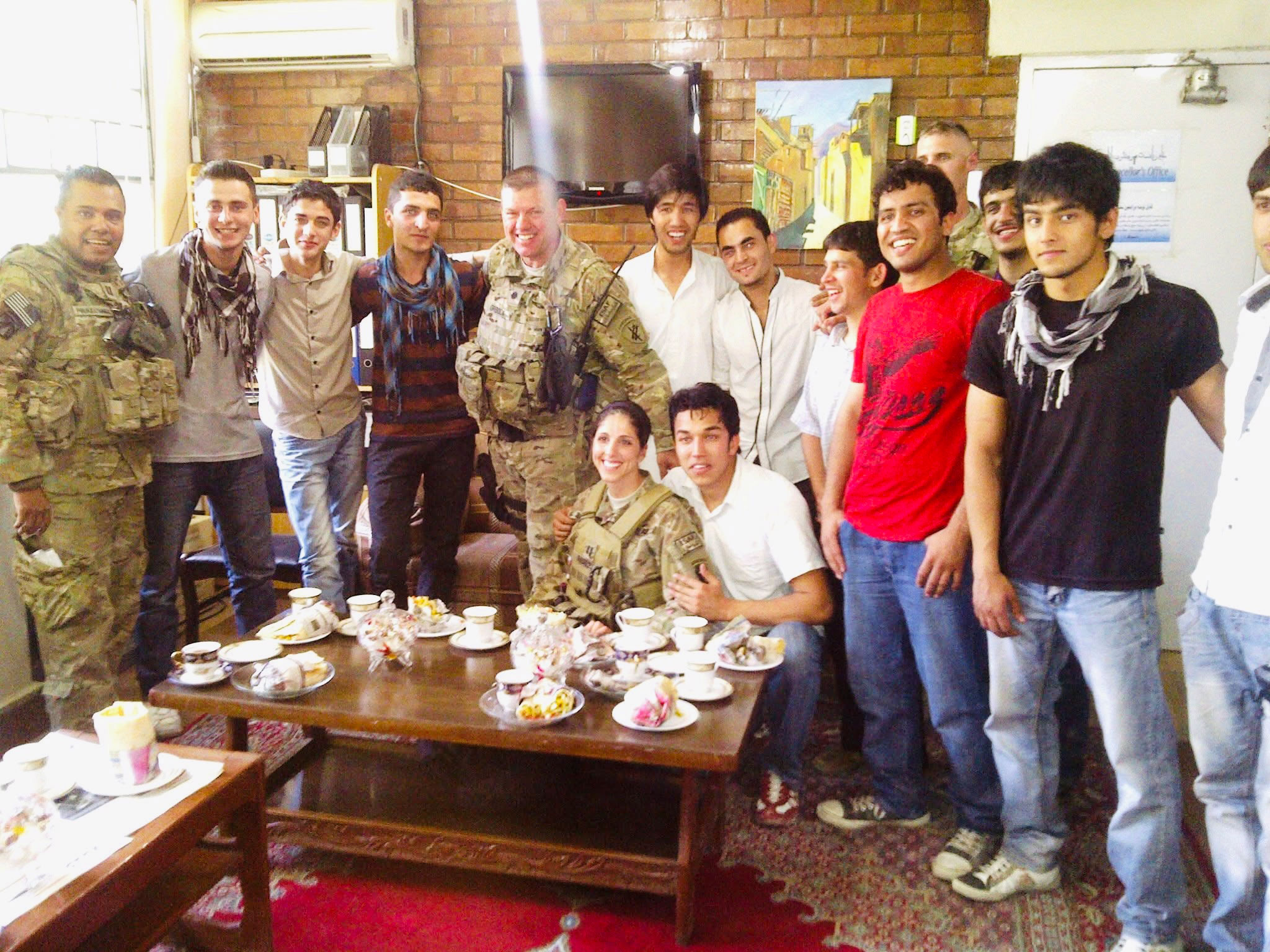
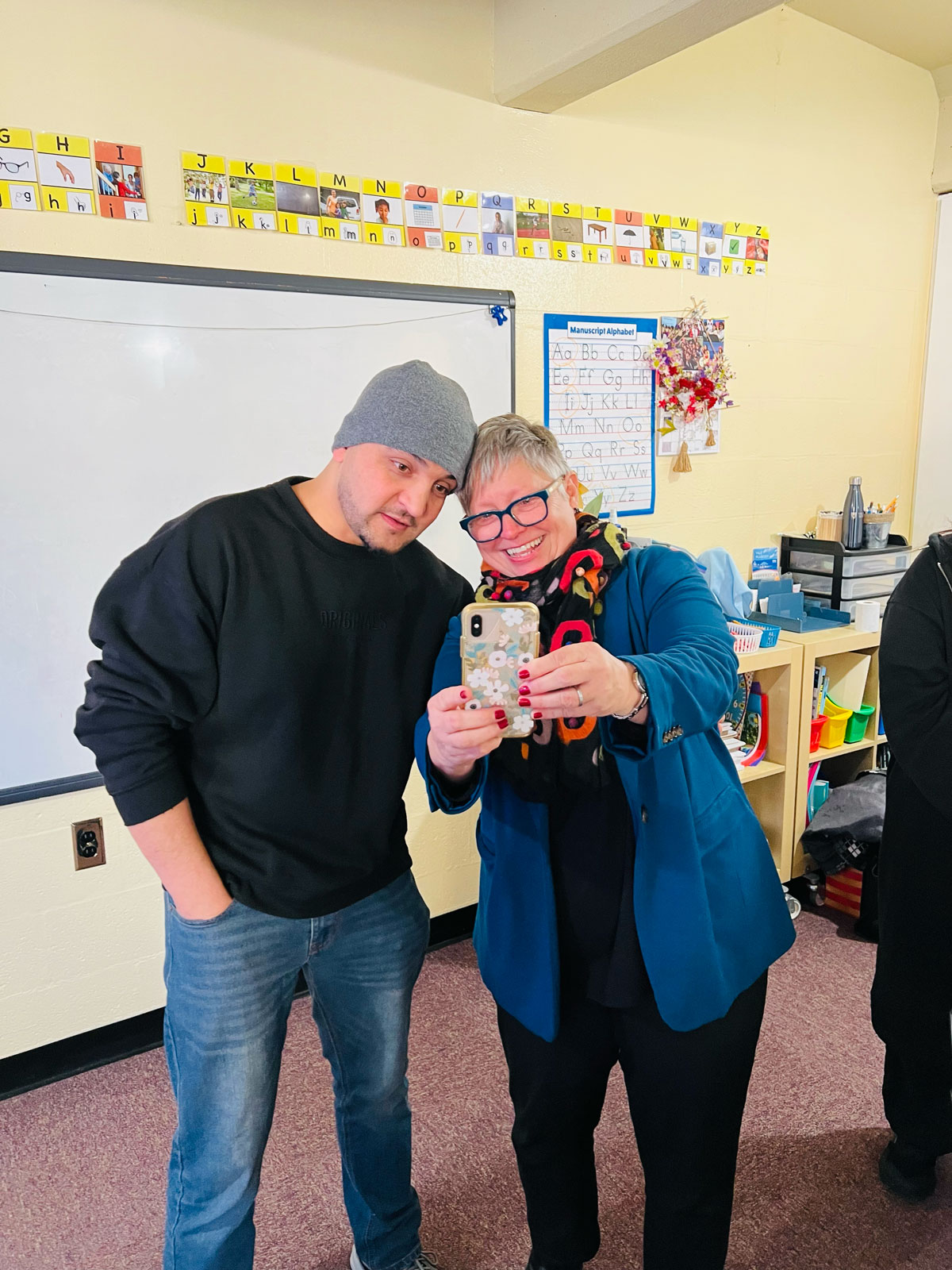
Paiman passes me in the office and says, grinning, “Hey Kevin, when are you helping with my mortgage?”. It’s a running joke we have because Paiman was technically my client when I was a case manager from 2021-2023, but really he is a savvy, home-owning colleague, helping others tirelessly rather than requesting any help himself. While in case management in the throes of the Afghan evacuation, as we were fighting to keep our heads above water, he calmly asserted that he returned all calls the same day, as his personal policy. He had just joined IRIS when Kabul fell, was hired part-time but stayed late to ensure he learned the systems needed to serve an unprecedented influx of refugees. 

He arrived in the United States in 2019, fortunate that during Trump 1.0 Special Immigrant Visa (SIV) holders were still permitted to trickle in. So, by the time Afghan evacuees began arriving in August 2021, he had the local knowledge – cultural and logistical – needed to be an effective guide for newly arriving compatriots. Whereas interpreting is an entry point for many immigrants entering work in the resettlement field, Paiman says that he always shied away from interpreting. Even in Kabul, where he grew up, that would have been an obvious foot in the door with the US military, yet Paiman found a different way in while studying English Literature at Kabul University. Studying with textbooks published by Yale and Washington State University, in a special program, he became curious about American life; so, when the US military and NATO came to his campus he seized the opportunity to volunteer. 

Upon graduating, he successfully applied for a subcontract position, when the US military was pivoting to hiring Afghan personnel at bases to stave off a high rate of casualty among US servicemen. In this way, he began a career connected to the US military, where he quickly acquired management skills and then mastering database management, the latter paying off perfectly down the road when IRIS needed a new Training and Compliance Officer.  A large part of his role as Training and Compliance Officer was to guide staff through the implementation of a new database for all client information – a massive shift in staff procedures that has improved the organization’s ability to track information, run reports, and analyze data. He’s since moved on to be the Monitoring and Evaluation Manager in IRIS’s new MEAL department. Back in Afghanistan, his career led to an array of experiences, such as being deployed to the Taliban-controlled West to assisting internally displaced people (IDP’s) and deportees arriving from Pakistan to blogging to, and uncovering instances of fraud, as an auditor. At one point, he even designed a book that was printed in both Dari and English. He only ever took off work for his engagement and wedding, and for a stretch worked two jobs so he could help a former employer resolve an outstanding problem related to an attempted staff crime that he blocked. 

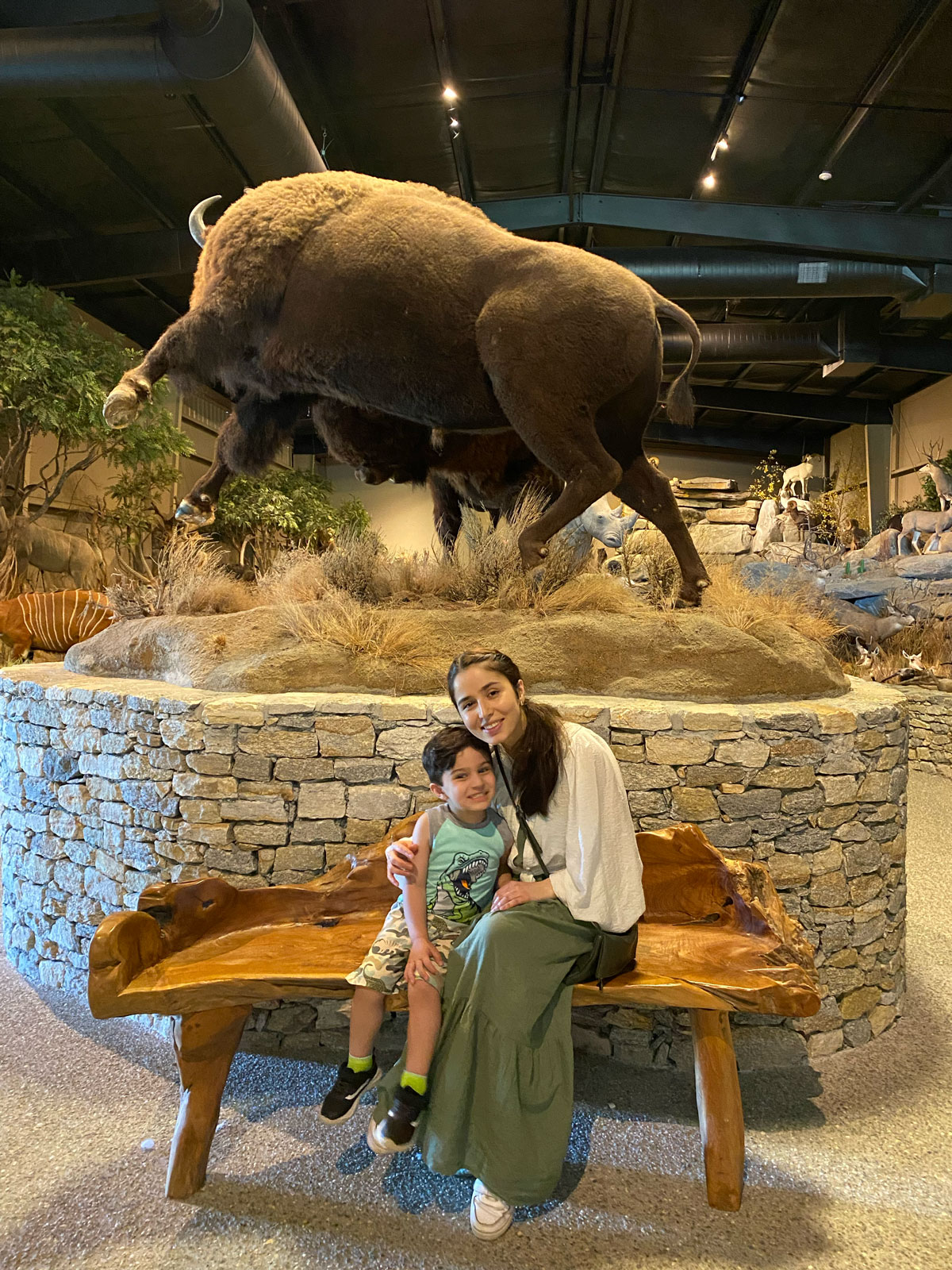
Being in a problem solver role in the workplace probably comes naturally to Paiman because, atypically for a middle child, he is the problem solver among his siblings (3 brothers, 2 sisters). He often gets advice-seeking calls from family, friends, and he’s the one to identify even small conflicts and find a solution. “I don’t trust myself, but they trust me,” he jokes. He becomes animated when talking about family, including when reminiscing about his courtship with his wife, Farah. In 2011, she was studying Psychology at Kabul University while he was pursuing English Literature, and they met in the neutral territory of an IT class. They bonded while studying for the TOEFL exam together. He made an attempt at a marriage proposal, and it succeeded; and they had their first son, Iman, together before leaving the country. They now have a newborn son, Asher.  

When Paiman thinks of Kabul, he thinks fondly of his college years when he would bike around the city and hike in the surrounding mountains with friends, safely walking around the city at 2 or 3am. He remembers the vivid, distinct seasons of Kabul. Mostly he thinks of friends lost. He left behind his tight knit group of childhood friends and started over socially. His description of youthful halcyon days in the capital are useful to hear because when we hear about Afghanistan stateside it’s almost entirely Taliban this and military operation that. To counterbalance the danger that Paiman experienced, for example when he was stationed in Taliban-controlled territory, there are plenty of fond memories of a cosmopolitan and welcoming city. 

Paiman’s welcome to the US was a little bumpy, only because he wasn’t keen on the ceaseless rain of Tacoma, Washington, where the family first landed. Within two days, he declared they would pack up and head East; he had an uncle in Waterbury, Connecticut they could stay with for a short while until they found a place. As Paiman tells it, once he decides on something, he has no patience for waiting; he takes immediate action. And that’s how they came to be walk-in clients at IRIS. One experience that is common among refugees, SIV holders, and other displaced people is that of having to work difficult, low-paying jobs not related to their expertise when they first arrive. Paiman also worked as a carpet installer and remover for a while. Later, when COVID concerns set in, he began driving for Amazon Flex delivery. The disrupting force of the pandemic meant that it was some time before Paiman found his way to a job that matched his professional background, but in the meantime he was able to do some regional travel, naming Lake George in New York, as a favorite spot. 

Paiman has a history of putting in overtime during hard times – from his troubleshooting for the US military to his helping hundreds of compatriots with bus orientations, getting benefits and getting hired at Amazon Flex – and now that the organization is navigating a new, in many ways mortifying, political environment, his work ethic is proving a boon to his workplace yet again. 

Check out our new merch shop!

IRIS CT merch - tshirts and products to support immigrants

Your purchase directly supports refugees and immigrants—providing housing, education, and hope. Every item makes a difference.

PUBLISHED BY THE DAY Oct 29, 2025

AG Tong, talking immigration in New London: 'They will make it if we fight for them'

 
tong-speaking-on-immigration

Attorney General William Tong speaks at All Souls Unitarian Universalist Congregation in New London on Wednesday, Oct. 29. The event by Integrated Refugee & Immigrant Services focused on the impact of President Donald Trump’s immigration crackdown. (Alison Cross/The Day)
By Alison Cross
Day Staff Writer
 
New London — State Attorney General William Tong visited the city Monday evening to share a message of hope and resistance amid President Donald Trump’s immigration crackdown.
The event at All Souls Unitarian Universalist Congregation was organized by Integrated Refugee & Immigrant Services, the New Haven-based nonprofit known as IRIS.
Since 1982, IRIS has welcomed and resettled thousands of refugees and immigrants within the state, but Maggie Mitchell Salem, the organization’s executive director, said new federal policies have upended longstanding pathways to legal immigration.
As a result of these changes, Mitchell Salem said IRIS will not participate in the U.S. government-supported refugee admissions program for the first time in the nonprofit’s history, starting on Jan. 1. Mitchell Salem said IRIS will continue to resettle refugees from Afghanistan and other countries without federal funding.
During his speech, Tong described the Trump administration’s policies and actions over the last nine months as “awful, brutal, (and) painful.” Tong spoke about lawsuits he has filed against the federal government to block the Trump administration from ending birthright citizenship and coercing states into following the administration’s immigration agenda.
Tong said people often put refugees and immigrants into separate categories but “very often they’re one and the same.”
“My grandparents and my dad ran for their lives (from China),” Tong said. “I’m a kid that comes from refugees and immigrants. I grew up in a Chinese restaurant. … If you go to a takeout joint around here and you see a high schooler ring up your Tuesday night takeout, that was me.”
“In one generation, I went from that hot Chinese restaurant kitchen in the state of Connecticut in Wethersfield, to being the 25th attorney general of the state,” Tong continued. “I don’t tell you that story because it’s a good story, I tell you that story because it is an unremarkable story. It is a story shared by so many people. And there are kids right now, our kids in this city, the sons and daughters and grandchildren of refugees and immigrants who are just like us … and I know they will make it if we fight for them right now.”
Maryam Elahi, the president and chief executive officer of the Community Foundation of Eastern Connecticut, said that right now, children are not getting an education because “so many parents are terrified to take their kids to school (and) pick them up.”
“This is not acceptable,” Elahi said.
Elahi encouraged people to reframe the way they speak about immigrants.
“Unless you’re a Native American, you’re an immigrant in this country,” she said. “Some of us came earlier on boats. Some of us came later by foot or plane or both, but the end result is the same. It’s really important for all of us to change the narrative, to talk about immigrants as all of us, to talk about immigrants as people who bring so much richness to our community and to put our arms around them.”
Jeanne Milstein, the human services director for the city, said that New London’s history is rooted in immigrant communities who have made the city stronger.
“It is our diversity which is our strength. New London is a seaport town. It has always been a rich mix of people. It is a community where everyone is welcome,” Milstein said. “The feds may be trying to kill the American dream, but here in New London, it is alive and well.”

PUBLISHED BY THE HARTFORD COURANT

After four decades, CT organization won’t resettle refugees this year. Here’s why

For the first time in more than four decades Integrated Refugee & Immigrant Services made the decision to not resettle refugees through the United States Refugee Admissions program, due to the Trump administration’s intent to shift the program’s focus.
“We will not resettle populations that aren’t refugees,” said Maggie Mitchell Salem, director of IRIS. “That is basically the point. This is not about Afrikaners or right wing groups in Europe. This is not about ideology or politics. This is about our mission. Our mission is to resettle the world’s most vulnerable people who have been screened for the credible fear they possess which keeps them from going home.”
Mitchell Salem added: “We are not a relocation service. We work with and for a very specific population and as part of the humanitarian pathway within this immigration system.”
The New York Times reported Wednesday that the Trump administration “is considering a radical overhaul of the U.S. refugee system that would slash the program to its bare bones while giving preference to English speakers, white South Africans and Europeans who oppose migration.” 
The Trump administration has said that white South African farmers face discrimination and violence at home, which the country’s government strongly denies.
The IRIS board made the decision last month to change course after learning about the Trump’s administration’s plans to change the refugee program, including limiting the number of refugees to 30,000 to 40,000, Mitchell Salem said.
“That only reinforced that decision,” Mitchell said. “We have never had to question the U.S. government’s decision. This is not about who is in charge of our government. We have supported refugee resettlement in Republican administrations, and Democratic administrations without fail. We had to do some critical thinking about whether based on what we understood to be the administration’s policy on the U.S. refugee program, whether there was an alignment between our mission and how they were implementing the program.”
The Church World Service, which IRIS is an affiliate of, and contracts with the State Department to help refugees “expressed its dismay and deep concern in response to the Trump administration’s plans to reduce the refugee admissions’ goal “to the lowest level in history,” according to a press release from the agency.
New numbers reported from the Associated Press suggest the Trump administration is considering admitting far fewer refugees than IRIS had initially learned, with just 7,500 admitted.
Dana Bucin, an immigration attorney and partner with Harris Beach Murtha in Hartford, said the administration’s ban against refugees at the beginning of 2025 is not advisable.
“The entire policy that is against refugees in particular is harmful at a time when the world is seeing a record number of refugees due to wars, civil wars, famine, climate change and a bunch of other factors,” she said. “We have never had so many refugees as we do now and so few tools to deal with them and so definitely in general an anti-refugee policy is not conducive to humanitarian endeavors.”
Bucin said she does not believe that all Afrikaners qualify as a group for refugee status.
“But as attorneys we are open to hearing of any individualized case of persecution for Afrikaners, much like anyone else,” she said.
Since the Trump administration suspended the refugee program in January, IRIS relocated its New Haven office and had to shut its Hartford office.
In fiscal year 2024, IRIS served more than 2,000 people and resettled 900 refugees.
In fiscal year 2025 they were planning to resettle 800 refugees but have only been able to settle 241 refugees as many were denied entry or delayed.
As a result of the suspension of the refugee program, IRIS lost about $4 million in funding and had to lay off employees.
In the United States, some 128,000 refugees have currently been approved for resettlement in the United States and are now stuck in limbo, said Mark Hetfield, president of HIAS, the Jewish refugee resettlement agency. In addition, 14,000 Jews, Christians and other religious minorities in Iran have long been registered with the refugee program.
New vision
IRIS is not suspending its activities though. The organization is realigning its focus to help refugees and immigrants with assistance securing housing, food, addressing health issues and advocating for more English Language Learning programs to help them succeed in the workforce, Mitchell Salem said.
Mitchell Salem said she is concerned about provisions in Trump’s Big Beautiful Bill particularly eliminating SNAP for refugees. She said IRIS needs more support to provide basic proteins for refugees in its food pantry.
Targeting ELL programs aligned to workforce development programs is critical, she said, so “people are getting the right vocational training and entering these programs successfully and entering higher paying jobs in the healthcare, hospitality and manufacturing sector. This is a win for the state. The state has to become more competitive.”
Mitchell Salem said IRIS will focus on deepening partnerships with the Chambers of Commerce and workforce boards and adult literacy organizations that exist in every town and city in the state.
In addition to those being barred from entering the country, Mitchell Salem said immigrants who are here are being terrorized. Calling it inhumane, Mitchell Salem said rounding up of people in the community at their place of employment is having an impact on everyone.
“It is going to impact the price of food and whether your grandmother is being taken care of in an assisted living community,” she said. “It is impacting employers. It is impacting tax bases. You don’t remove this significant number of people from our community and have no impact.”
With ICE arrests continuing in Connecticut and immigrant advocates calling for state officials to act, lawmakers are in discussions about increasing legal protections during an upcoming special session.
ICE agents stormed a Hamden car wash Wednesday and detained and took away eight people including a husband and wife and a customer, according to information from state Sen. Jorge Cabrera’s office.
“Since we passed the TRUST Act a decade ago, Connecticut has always carved out exceptions for dangerous felons,” Cabrera said in a statement. ”Democrats don’t have a problem with that. Neither does the governor. What we do have a problem with is Donald Trump and ICE telling us that they are arresting the scum of the Earth – murderers and gang members and pedophiles. And then who do they arrest? Landscapers. Dishwashers. High school kids. People working at car washes.”
The Associated Press contributed to this report.

Originally Published: 

October 17, 2025 at 5:37 AM ED