Overview
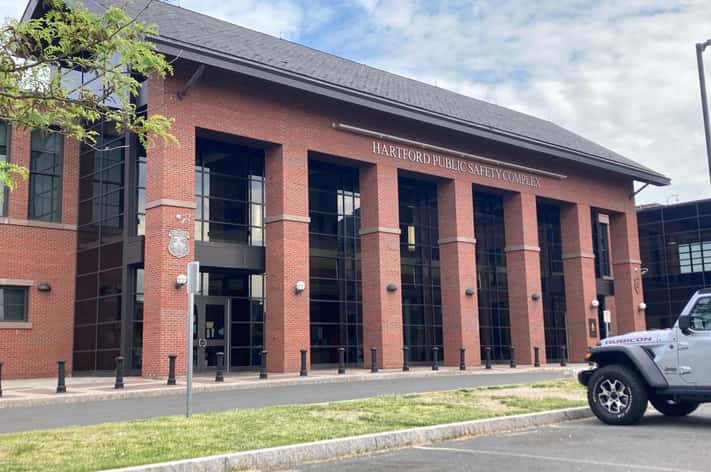
Many cities have adopted policies that distinguish between public and non-public areas inside government buildings. Clearly defining these spaces helps municipalities control access and establish protocols when federal immigration agents request entry.
By identifying restricted areas, cities can require judicial warrants before federal agents enter certain parts of government facilities.
Key Actions Cities Are Taking
- Identifying non-public spaces
Municipalities review government buildings and designate offices, staff workspaces, and administrative areas as non-public. - Establishing access policies
Cities may require a valid judicial warrant before federal agents are allowed to enter restricted areas. - Posting signage and guidance
Clear signage and internal guidelines help staff understand which areas are public and which require authorization. - Training front-line employees
Receptionists, security staff, and administrators receive guidance on how to respond if federal agents request entry.
Examples from Other Cities
- Portland, OR
City leaders implemented policies identifying non-public areas in government facilities and outlining access procedures. - San Diego County, CA
County officials established protocols requiring warrants for entry into restricted areas.
Why This Matters
Defining non-public areas helps cities maintain control over government property while providing staff with clear procedures when federal agents request access.